
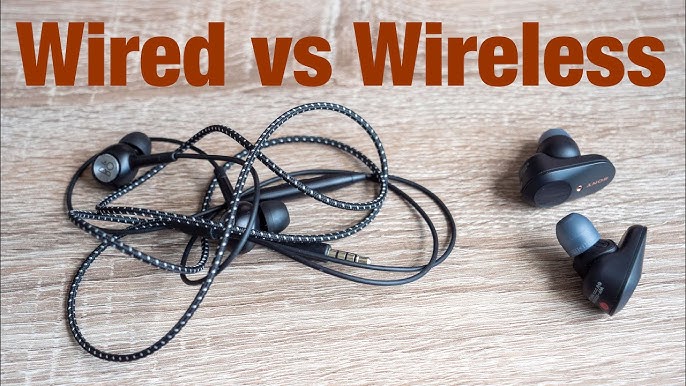
Introduction- by Wired Geekz
Technology has transformed how we work, play, and connect. One of the most common choices users face today is whether to go for Wireless vs Wired Accessories. From headphones and keyboards to chargers and gaming gear, both versions have their loyal fans. But which is right for you?
This guide dives deep into the advantages and disadvantages of each, explains where wireless shines, where wired wins, and helps you decide which option suits your lifestyle, budget, and daily habits.
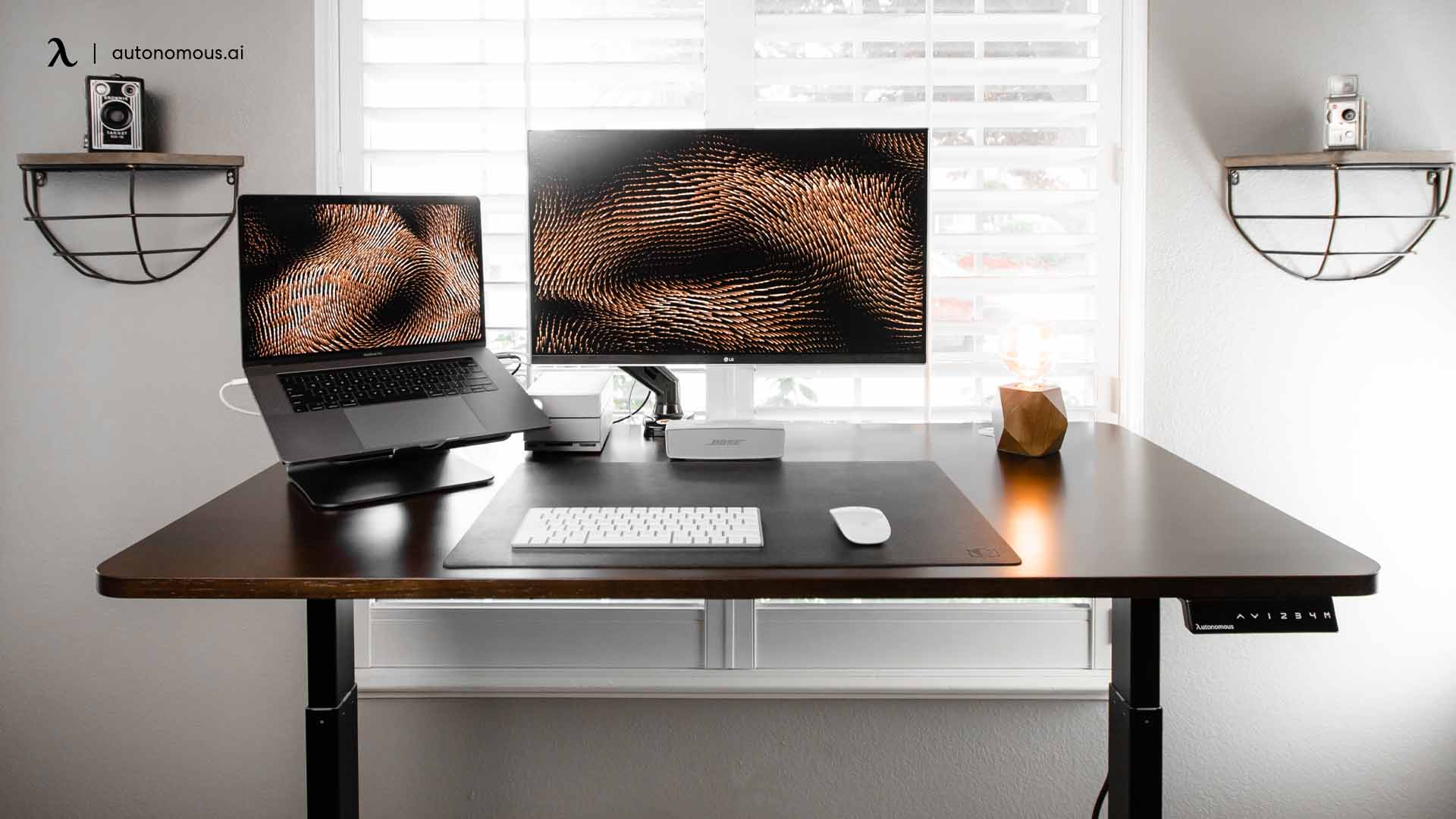
The primary appeal of wireless accessories lies in their unrivaled flexibility and aesthetic benefits. By utilizing technologies like Bluetooth or specialized radio frequency (RF) dongles, wireless devices eliminate cable clutter, creating a cleaner, more organized workspace. This freedom allows users to operate peripherals—such as a mouse or remote—from a distance, enhancing comfort and presentation capabilities.
Understanding Wireless vs Wired Accessories
Wireless accessories connect to devices using technologies like Bluetooth, Wi-Fi, or RF signals. They eliminate physical cables, offering convenience and flexibility. Wired accessories, on the other hand, rely on traditional cables, providing stable connections and power without batteries. Furthermore, the portability of wireless devices is a clear advantage for users who frequently travel or switch between multiple computing platforms. However, this convenience comes with a significant trade-off: dependence on power. Wireless accessories require batteries, which necessitate periodic charging or replacement, introducing the risk of disruption during critical tasks.
Both categories include:
-
Headphones and earphones
-
Keyboards and mice
-
Chargers and power banks
-
Speakers
-
Game controllers
-
Storage devices
Choosing between wireless vs wired accessories depends on personal preferences, usage needs, and priorities such as portability, reliability, or cost.
Why the Debate Exists
The battle of wireless vs wired accessories has grown because technology is advancing rapidly. Wireless options now offer speed and reliability once reserved for wired devices. At the same time, wired gear remains dependable, often at a lower cost.
This debate exists because:
-
Users want convenience but fear reliability issues.
-
Professionals demand consistency but crave flexibility.
-
Gamers seek performance without lag.
-
Students and workers balance budget with comfort.
The debate between wired and wireless technology has become central to modern computing, extending from network infrastructure to personal accessories like keyboards, mice, and headphones. While the convenience of a cable-free setup is alluring, the reliability and performance of physical connections remain unmatched in certain critical applications. Ultimately, the choice between wired and wireless accessories is not about which is universally superior, but rather which aligns better with the user’s priorities, be they low latency, maximum mobility, or consistent power delivery.
Pros of Wireless Accessories
-
Convenience and Mobility
No cables mean easier movement. Perfect for travel, workouts, or flexible desk setups. -
Clean Aesthetics
Wireless setups look tidy and modern, aligning with minimalistic workspace trends. -
Portability
Easy to pack and carry. Ideal for those constantly on the go. -
Versatility
Compatible across multiple devices—switch between phone, tablet, and laptop seamlessly. -
Innovation
Many wireless accessories come with advanced features like touch controls or wireless charging.
Cons of Wireless Accessories
-
Battery Dependency
Most wireless devices require charging, which can interrupt use. -
Connection Stability
Occasional interference, lag, or drops can occur, especially in crowded signal areas. -
Higher Cost
Generally more expensive than wired alternatives. -
Potential Latency
While technology has improved, wired still often outperforms in speed and response time. -
Durability Concerns
Batteries degrade over time, shortening the accessory’s lifespan.
Pros of Wired Accessories
-
Reliable Connection
No signal drops or pairing issues. Consistency is guaranteed. -
Unlimited Power
Connected devices draw constant power from the source—no batteries required. -
Lower Cost
Wired accessories are generally cheaper and widely available. -
Performance for Gaming
Zero lag or latency makes wired gear a favorite among competitive gamers. -
Longer Lifespan
Without batteries, wired accessories often last longer.
Cons of Wired Accessories
-
Clutter
Multiple cables create messy desks or tangled travel bags. -
Limited Mobility
Wired devices keep you tethered to one spot. -
Port Dependency
Requires available ports, which newer devices often lack. -
Wear and Tear
Cables can fray, break, or lose efficiency over time. -
Aesthetic Downsides
Wired setups don’t always match modern minimalist desk trends.
Wireless vs Wired Accessories in Daily Life
Work and Office Use
-
Wireless: Offers flexibility during meetings, presentations, and hybrid work setups.
-
Wired: Ensures reliability in professional environments where interruptions are costly.
Students
-
Wireless: Great for portability in classrooms and libraries.
-
Wired: More affordable and reliable for long study sessions.
Travelers
-
Wireless: Lightweight, portable, and clutter-free.
-
Wired: Backup essential since charging wireless devices can be inconvenient.
Gaming
-
Wireless: Modern wireless mice and headsets are nearly lag-free.
-
Wired: Still preferred for competitive gaming where milliseconds matter.
Wireless vs Wired Accessories for Audio
-
Wireless Headphones: Ideal for workouts, commutes, and multitasking. Active noise cancellation and portability make them favorites.
-
Wired Headphones: Still preferred by audiophiles for lossless sound and no charging requirements.
In audio, the choice between wireless vs wired accessories often depends on whether portability or sound purity matters most.
Wireless vs Wired Accessories for Productivity
Wireless keyboards and mice reduce desk clutter, allowing smooth workflow. However, wired devices provide uninterrupted function for long work hours. Many professionals keep a wired backup for emergencies.
Cost Comparison
When comparing wireless vs wired accessories, cost often plays a deciding role.
-
Wireless: Usually priced higher due to added technology and features.
-
Wired: Budget-friendly, making them accessible for students and bulk office purchases.
Long-term cost also includes replacing batteries or dealing with degraded performance in wireless devices.
Health and Ergonomics
Wireless accessories promote flexible movement, reducing strain caused by fixed positions. Ergonomic setups often combine wireless mice or keyboards with adjustable stands. Wired devices, while reliable, may cause posture issues if cables restrict movement.
Security Concerns
Wireless vs wired accessories differ in security too. Wireless devices can be vulnerable to hacking or signal interception, though risks are low with modern encryption. Wired accessories, by nature, are more secure since they’re physically connected.
Environmental Impact
Sustainability is another factor. Wireless devices require batteries, which contribute to electronic waste. Wired accessories, with fewer disposable parts, often last longer, reducing waste. Eco-conscious users may prefer wired gear or rechargeable wireless options.
Hybrid Approach: Best of Both Worlds
Some users don’t choose one side in the wireless vs wired accessories debate. They mix both:
-
Wireless headphones for commutes.
-
Wired headsets for gaming.
-
Wireless keyboard at home, wired keyboard in office.
This balanced approach maximizes convenience while ensuring reliability.
Future of Wireless vs Wired Accessories
Technology is narrowing the gap between wireless and wired. Future trends include:
-
Wireless devices with near-zero latency.
-
Universal wireless charging for all accessories.
-
Longer battery life and eco-friendly rechargeable options.
-
Hybrid designs allowing both wired and wireless modes.
The future suggests wireless will dominate, but wired will always have loyalists.
Popular Brands
-
Wireless Leaders: Apple (AirPods, Magic Mouse), Logitech, Bose, Sony.
-
Wired Reliability: HyperX, SteelSeries, Sennheiser, Corsair.
-
Hybrid Devices: Razer and Logitech offer gear that works both wired and wireless.
FAQs on Wireless vs Wired Accessories
Q1. Are wireless accessories good for gaming?
Yes, modern models offer low latency, but competitive players still prefer wired.
Q2. Which lasts longer, wireless or wired?
Wired generally lasts longer due to the absence of batteries.
Q3. Do wireless devices cost more?
Yes, but prices are falling as technology improves.
Q4. Are wired accessories obsolete?
No. They remain reliable, affordable, and essential in many fields.
Q5. What’s the best option for travel?
Wireless accessories are better for portability, but carry a wired backup.
Wireless vs Wired Accessories for Different User Groups
When analyzing Wireless vs Wired Accessories, it’s helpful to consider how different types of users benefit from each option.
1. Students
Students often juggle between classes, libraries, and home study sessions. Portability matters most. Wireless headphones or keyboards allow them to pack light and stay productive anywhere. However, wired earphones or mice remain useful backups since they are affordable and don’t require charging.
For students, the mix of wireless vs wired accessories provides flexibility on campus while ensuring reliability during exams or long study hours.
2. Professionals
Remote workers and office employees prioritize consistency. Wireless gear enhances video calls, presentations, and multitasking across devices. Imagine seamlessly connecting a wireless headset from a laptop to a phone during a meeting.
However, in professional environments where interruptions are unacceptable, wired keyboards or conference headsets guarantee uninterrupted performance. For professionals, wireless vs wired accessories become complementary tools rather than competitors.
3. Gamers
Gamers are often at the center of the wireless vs wired accessories debate. Competitive esports players still prefer wired mice, keyboards, and headsets for latency-free performance. In competitive gaming, even milliseconds matter.
Casual gamers, however, increasingly adopt wireless setups for cleaner aesthetics and more movement freedom. The latest wireless gaming gear offers nearly the same responsiveness as wired models. Gamers often keep both, choosing wired for tournaments and wireless for casual play.
4. Digital Nomads
For people constantly traveling and working from different locations, wireless devices are lifesavers. Compact wireless mice, foldable keyboards, and Bluetooth headphones make packing easier. That said, digital nomads know the risk of dead batteries, so they usually keep at least one wired backup.
For them, the wireless vs wired accessories choice is not about “either/or.” It’s about finding balance between portability and reliability.
Wireless vs Wired Accessories in Creative Work
Designers, video editors, musicians, and other creative professionals have unique needs.
-
Wireless Tools: Perfect for freedom of movement. For example, a digital artist may prefer a wireless stylus or tablet to avoid tangled cables.
-
Wired Tools: Offer stability for data-heavy work. Audio engineers, for example, prefer wired headphones for consistent sound quality without compression loss.
Creative professionals carefully evaluate the wireless vs wired accessories decision based on whether precision or mobility takes priority.
Extended Audio Comparison: Wireless vs Wired Accessories
Audio is one of the most discussed areas when comparing wireless vs wired accessories.
Wireless Headphones and Earbuds
-
Pros: Portability, noise cancellation, no cables, multi-device pairing.
-
Cons: Need charging, may compress audio quality, more expensive.
Wired Headphones and Earbuds
-
Pros: Pure sound quality, no latency, no charging.
-
Cons: Cables can tangle, limited movement, dependent on device ports.
For music lovers, wired remains king for quality, but wireless is unbeatable for convenience.
Buying Guide: How to Choose Between Wireless vs Wired Accessories
When you’re deciding, consider the following factors:
-
Usage: Are you using it for work, gaming, music, or travel?
-
Budget: Wireless gear generally costs more. Wired is more budget-friendly.
-
Portability: Wireless shines for commuters and digital nomads.
-
Performance: Wired offers zero-latency reliability.
-
Environment: Do you work in crowded spaces where signals may interfere?
-
Longevity: Wired accessories often outlast wireless gear since batteries degrade.
A careful evaluation ensures that your wireless vs wired accessories choice matches your lifestyle.
Wireless vs Wired Accessories: Real-Life Scenarios
Scenario 1: The Work-From-Home Professional
Sarah works from home and often switches between laptop and phone calls. Wireless headphones and a Bluetooth keyboard keep her desk tidy. But for video editing projects, she keeps a wired mouse for precision.
Scenario 2: The College Student
Rohit attends online classes and studies late nights. His wireless earphones keep him mobile, but he relies on a wired headset during exams since battery failure would be disastrous.
Scenario 3: The Gamer
Aman loves competitive FPS gaming. He uses a wired mouse and keyboard to avoid latency. However, when relaxing with friends
Conclusion
The debate of Wireless vs Wired Accessories doesn’t have a one-size-fits-all answer. It depends on your lifestyle, needs, and preferences. Wireless shines in convenience, aesthetics, and portability, while wired continues to dominate in reliability, cost, and performance.
For most users, a hybrid approach works best. Keep wireless gear for everyday use and mobility, but maintain wired accessories as dependable backups. In the end, the right choice is the one that balances your workflow, comfort, and budget. Conversely, for users prioritizing mobility and aesthetics in daily tasks, such as working on a laptop in a coffee shop or presenting in a conference room, modern wireless accessories offer sufficient performance with the distinct advantage of a clutter-free experience. Most users, therefore, find success in adopting a hybrid approach, reserving wired peripherals for fixed workstations and performance-critical tasks, while embracing wireless technology for mobile computing.



Leave A Comment